What was broken
Business brokerage and M&A advisory work runs on scattered tools. Deal information, client communication, documents, tasks, and advisor coordination sit in separate systems, so the operating picture of the firm is never in one place.
Operating platform
Business brokerage operating platform
Shown as case studies of my work; not offered as products or services.
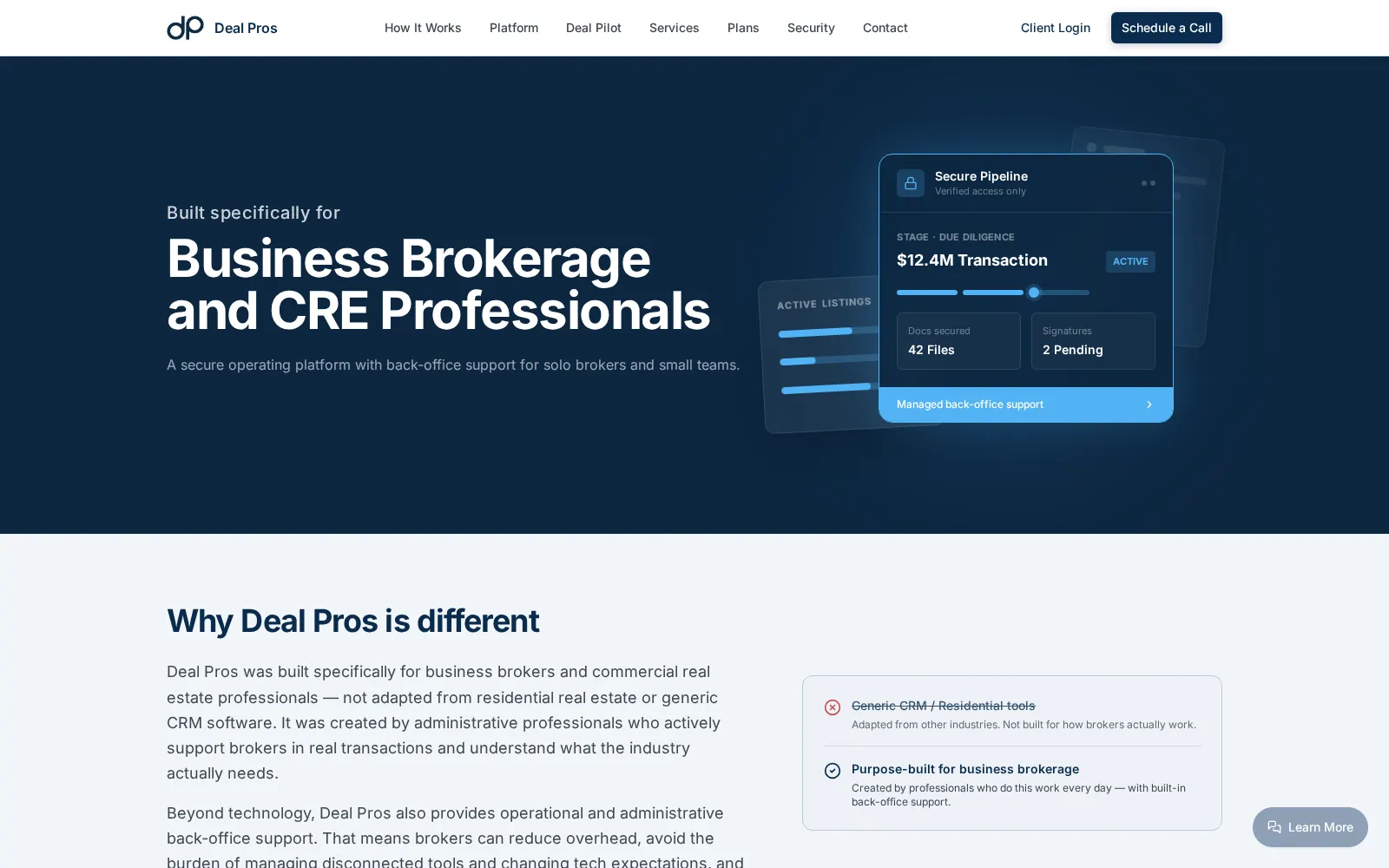
Deal Pros grew from a need I knew firsthand. While developing the operating system at my previous brokerage, and later helping set up another brokerage after going out on my own, I spent years researching and testing dozens of CRM, data-room, deal-room, communication, and related tools. The available options were often costly, disconnected, or built around residential real-estate logic rather than the work of business brokerage and commercial real estate.
I planned an outsourced enterprise platform build in fall 2025. As AI-assisted development improved, I began testing whether I could direct the development myself. Those tests became the flagship platform: an integrated, multi-tenant operating system. The reason it exists is simple. The tools I needed didn’t solve the problem, so necessity drove me to build a better fit.
I set the direction across these business, operating, market, and product workstreams. AI-assisted development is one part of the work — not the whole of it.
The entity, the ownership model, and the decision about what kind of business this should be: who it serves, what it charges for, and where it stops.
Subscription and service pricing structured against the cost of delivering it, so the model works at the size it would realistically reach rather than only on a spreadsheet.
The confidentiality, document-handling, and client-data obligations that brokerage and M&A advisory work carries — designed into the platform as rules, not written into a policy nobody reads.
Tool and vendor selection, the support model, and the internal process the firm would actually run on day to day.
Who this is for, what they currently use, why they would move, and how the offer is positioned against how brokerage firms already work.
Workflow architecture, role and permission model, product direction, and AI-assisted development used to turn the concept into working software.
Business brokerage and M&A advisory work runs on scattered tools. Deal information, client communication, documents, tasks, and advisor coordination sit in separate systems, so the operating picture of the firm is never in one place.
The work of an advisory firm is highly repeatable even though every deal feels unique. Once the underlying workflow is described accurately, most of the coordination burden can be designed out rather than managed manually.
Start from how the firm actually operates rather than from software features. Map roles, deal stages, documents, and hand-offs, then design a single operating platform around that model, with AI assistance applied where it removes real work instead of where it demonstrates novelty.
Directing the connected decisions behind a business concept — model, economics, legal requirements, operations, market, workflow, and AI-assisted product development — rather than treating each as a separate function.
One operating environment for a brokerage firm: the people, the deal work, the AI that helps move it, and the boundaries that keep each firm's and client's information separate.
Layer 1
Where the firm's daily deal work happens.
Layer 2
Firm knowledge lives inside the platform, not in side tools.
Layer 3
AI is scoped to the work in front of the advisor.
Layer 4
Documents stay attached to the deal they belong to.
Layer 5
Boundaries are a property of the platform, not of user discipline.
An assistant scoped to deal context that helps advisors move a specific engagement forward rather than answering generic questions.
An internal knowledge and operations surface so process, templates, and firm information live inside the platform teams already work in.
Controlled creation of client-facing materials inside the platform, so presentation quality doesn’t depend on ad-hoc external tools.
Firm, team, and client boundaries enforced structurally so data separation is a property of the platform, not of user discipline.
A reusable AI support layer built into the platform: platform-specific knowledge grounding, AI chat support, escalation to a human, support-ticket handoff, and administrative controls.
AI Support and multi-tenant separation are architectural patterns reused across the platforms rather than rebuilt each time.
The hard part isn’t the software. It’s describing how a business genuinely operates precisely enough that a system can support it, and deciding what shouldn’t be built.
This one comes directly from the seat: six years as COO of a regional M&A firm and current work as a business intermediary under real estate salesperson licenses in Wisconsin, Minnesota, and Florida. I designed the operating system around work I know firsthand.
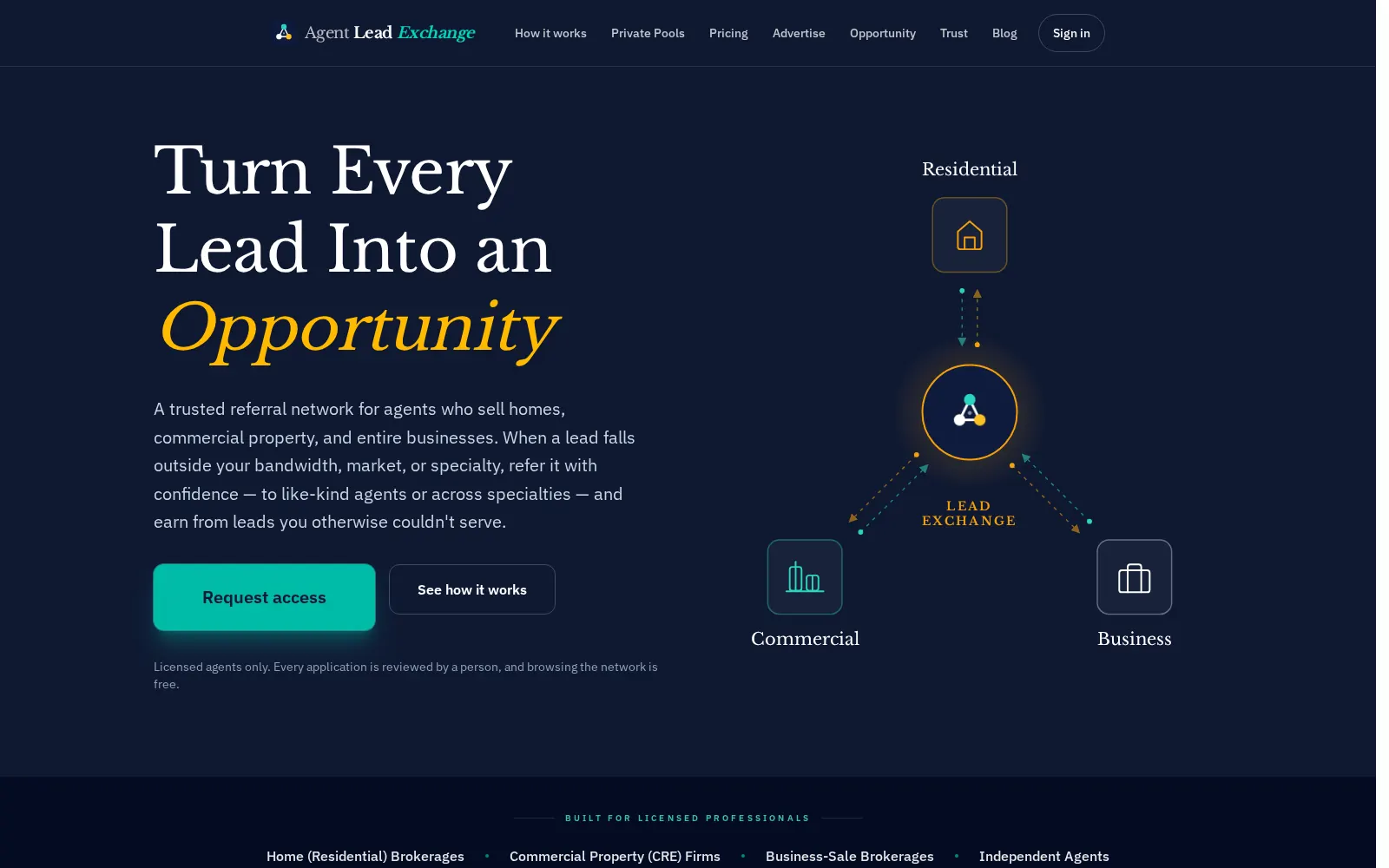
Marketplace
Real-estate referral and lead marketplace
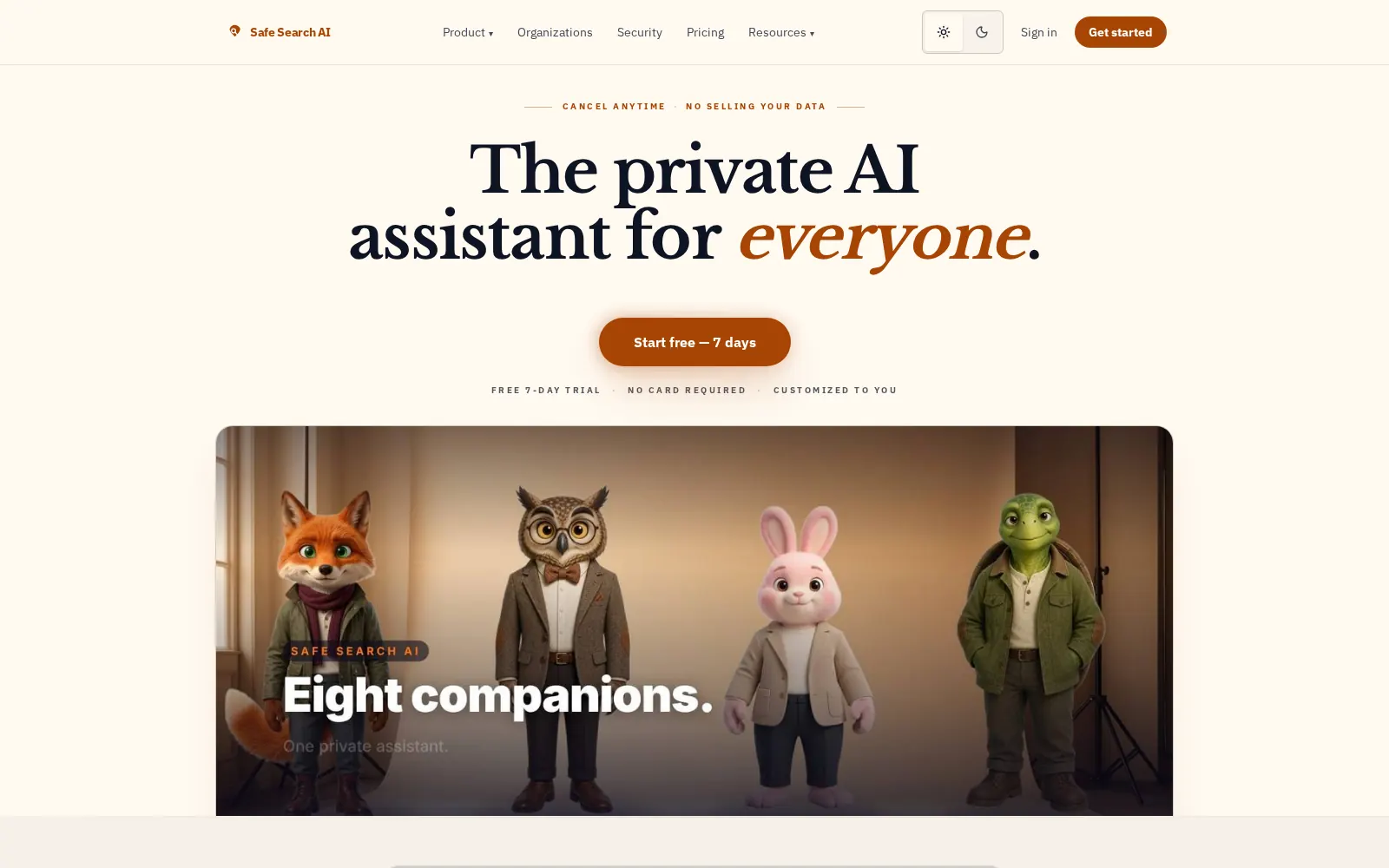
AI platform
AI platform for consumer, family, specialist, and enterprise use
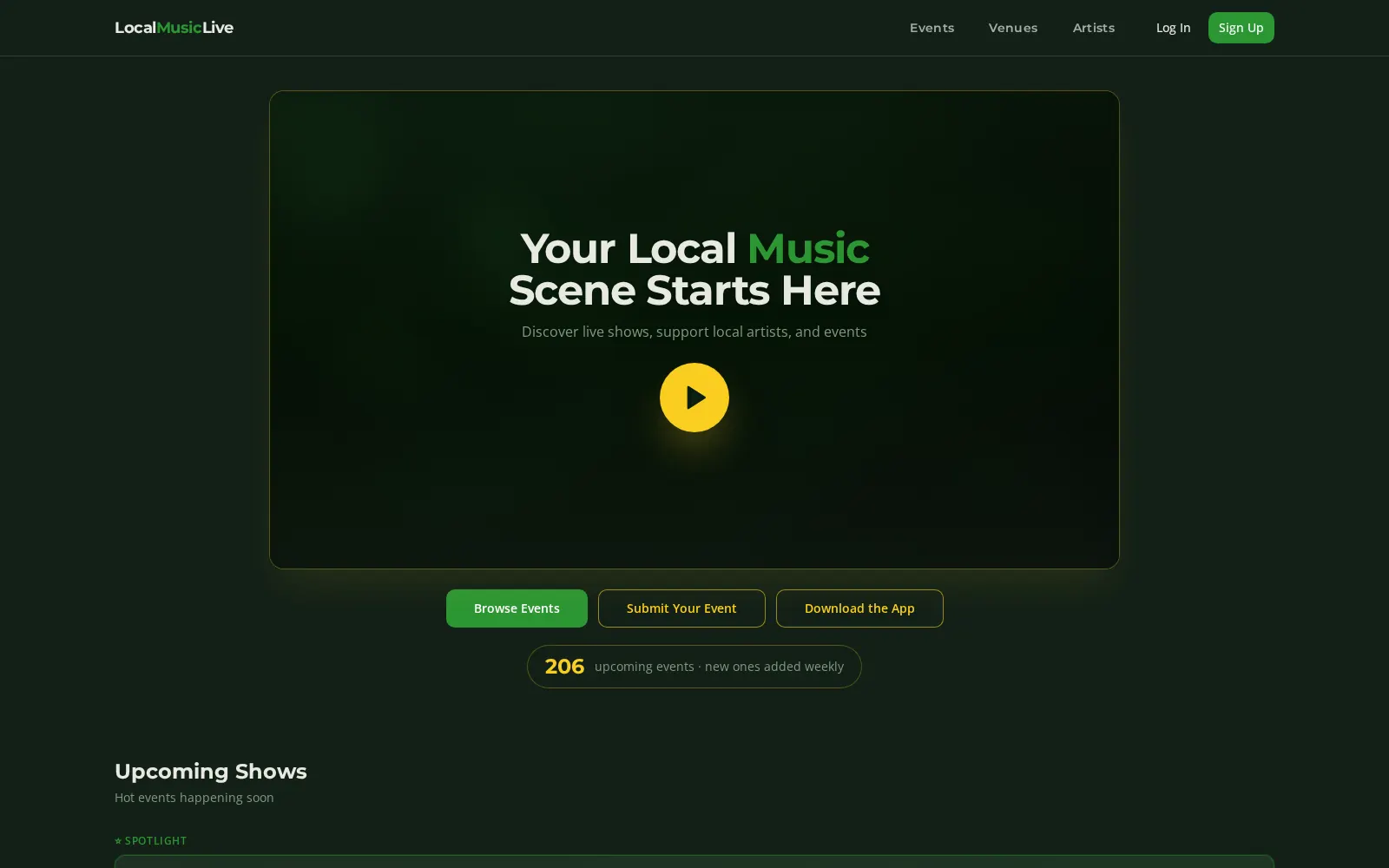
Marketplace
Live-music discovery platform — events, artists, and venues, city by city
Business operating platform
An integrated operating platform for an advisory practice