What was broken
Local live music is fragmented. Shows are scattered across venue pages, social posts, and ticket sites, so fans miss gigs and artists and venues lose audiences they had already earned.
Marketplace
Live-music discovery platform — events, artists, and venues, city by city
Shown as case studies of my work; not offered as products or services.
Visit the live site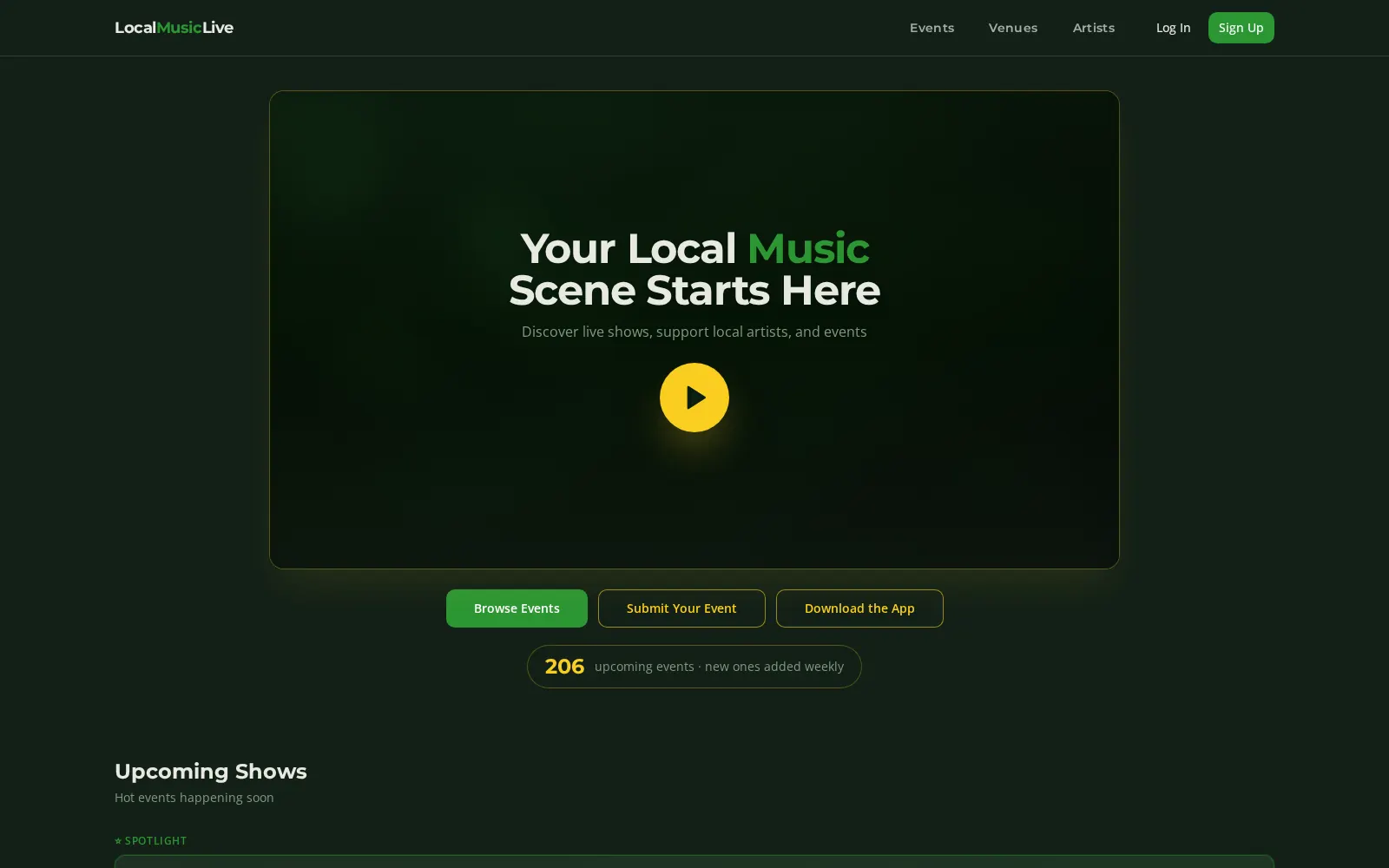
Local Music Live began during the initial COVID lockdown. I saw people losing work while musicians were performing livestreams on Facebook, so I created a Facebook group where musicians could play for an audience and invite voluntary donations. The donations went directly to Feeding America of Northeast Wisconsin. I ran the effort until conditions began to normalize, then continued managing the group and let it grow organically as a hobby project.
When AI-assisted development became more capable in 2025, I turned the idea into a working platform as a practical and enjoyable build. It wasn’t conceived as a major growth business. It is now a legal operating entity and a live, functional product, and the process gave me direct experience designing the data operation, marketplace dynamics, and user experience behind this kind of platform.
I set the direction across these business, operating, market, and product workstreams. AI-assisted development is one part of the work — not the whole of it.
Local Music Live LLC, and the decision underneath it: build a consumer marketplace that’s free for fans and earns through advertising, rather than charging the people the platform exists to serve.
Advertising as the revenue model, structured against the real cost of the operation — which in an aggregation business is dominated by sourcing and maintaining accurate data, not serving pages.
The core of the business: sourcing, verifying, and refreshing event listings across cities, week after week, plus community-submitted events with review. Stale listings are indistinguishable from no listings.
Three sides — fans, artists, venues — and each needs the others before the platform is useful to any of them. Density in one region beats thin coverage everywhere.
City by city across Wisconsin first — Madison, Milwaukee, Appleton, Green Bay, and more — building real density in one state rather than a national shell with nothing in it.
The events, venues, and artists model; search and browse by date, region, or artist; saved shows, reminders, calendar sync and notifications; an installable app; and the AI-assisted development behind it.
Local live music is fragmented. Shows are scattered across venue pages, social posts, and ticket sites, so fans miss gigs and artists and venues lose audiences they had already earned.
Aggregation done well is an operations problem, not a scraping problem. Whoever keeps accurate, fresh listings across a region becomes the place that region checks — and the place local businesses want to be seen.
Win one region properly before expanding. Build the listing operation as a repeatable process with community submissions and review, make the product genuinely useful to fans, artists, and venues at once, and let density — not coverage — be the growth metric.
Directing a live marketplace whose usefulness depends on the data operation behind it — listings sourced, reviewed, and refreshed across cities, with fans, artists, and venues each needing the others.
A local data operation with a consumer product on top: listings are gathered and checked, organized city by city, and turned into something people come back to.
Layer 1
Keeping hundreds of upcoming shows accurate.
Layer 2
Each city has its own front door.
Layer 3
The retention layer.
Layer 4
A working promotion operation supports a free experience for fans.
The unglamorous core: a repeatable process for keeping hundreds of upcoming shows accurate across cities, with community submissions folded in after review.
Installable app with saved shows, reminders, notifications, and calendar sync — the retention layer that turns a directory into a habit.
Participant and administrative boundaries enforced by the platform rather than by process.
A reusable AI support layer built into the platform: platform-specific knowledge grounding, AI chat support, escalation to a human, support-ticket handoff, and administrative controls.
AI Support and multi-tenant separation are architectural patterns reused across the platforms rather than rebuilt each time.
In an aggregation business the data operation is the product. The interface is the easy part; accuracy, freshness, and coverage week after week are what people actually come back for.
This is a marketplace and operations business before it’s a music product. Directing the data operation, three-sided incentives, advertising model, and product draws on my background in company ownership, operations, revenue, and AI-assisted development.
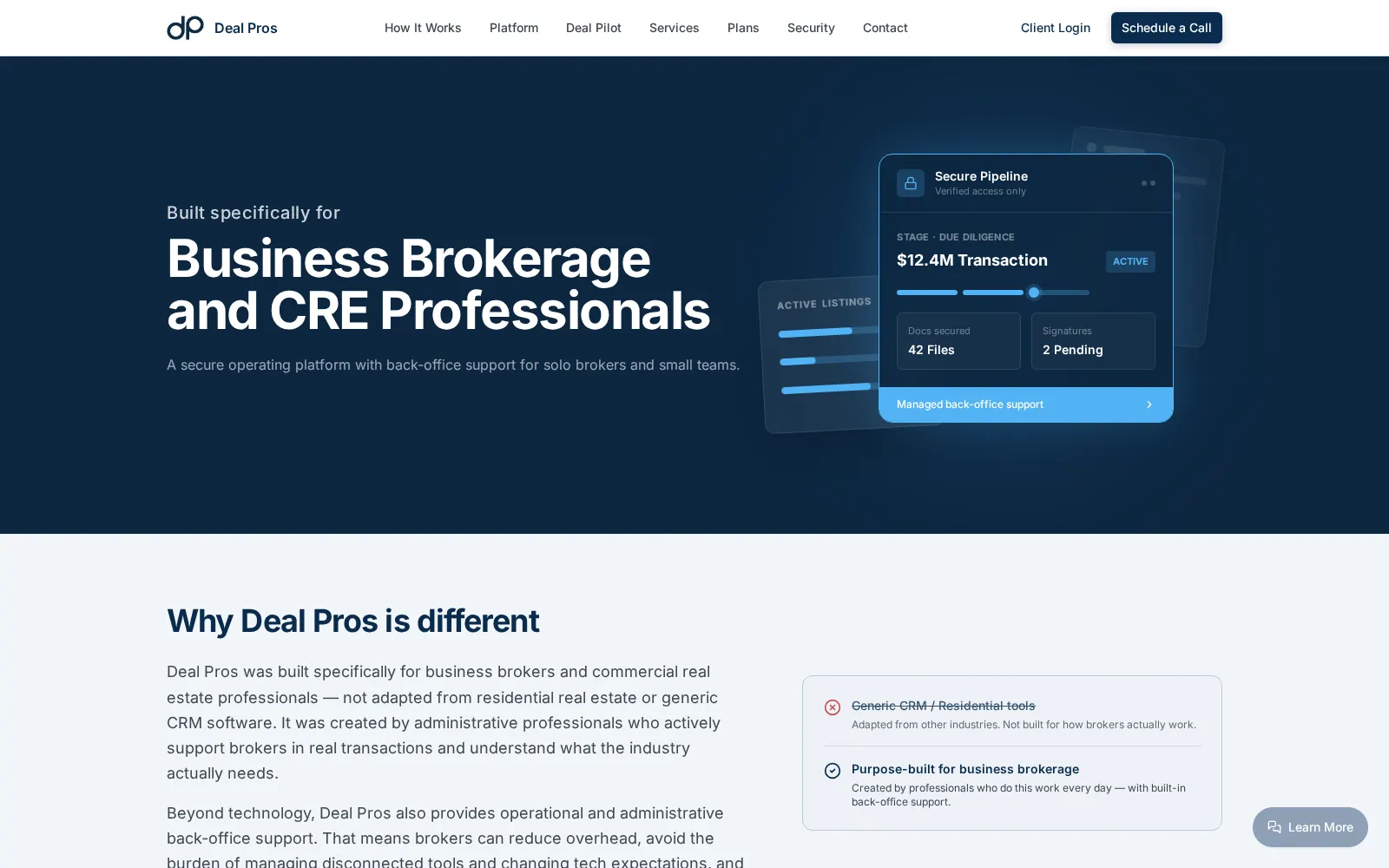
Operating platform
Business brokerage operating platform
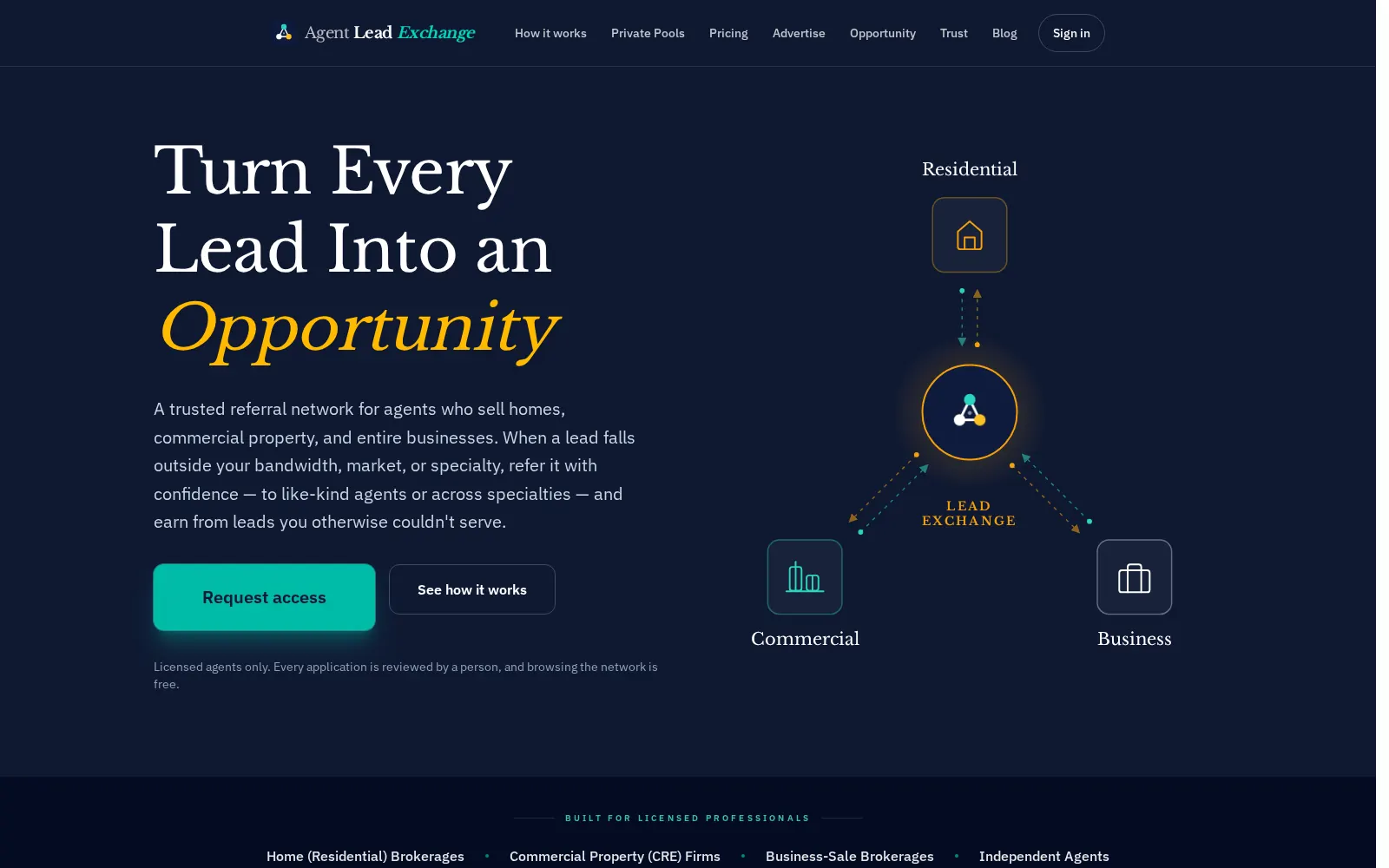
Marketplace
Real-estate referral and lead marketplace
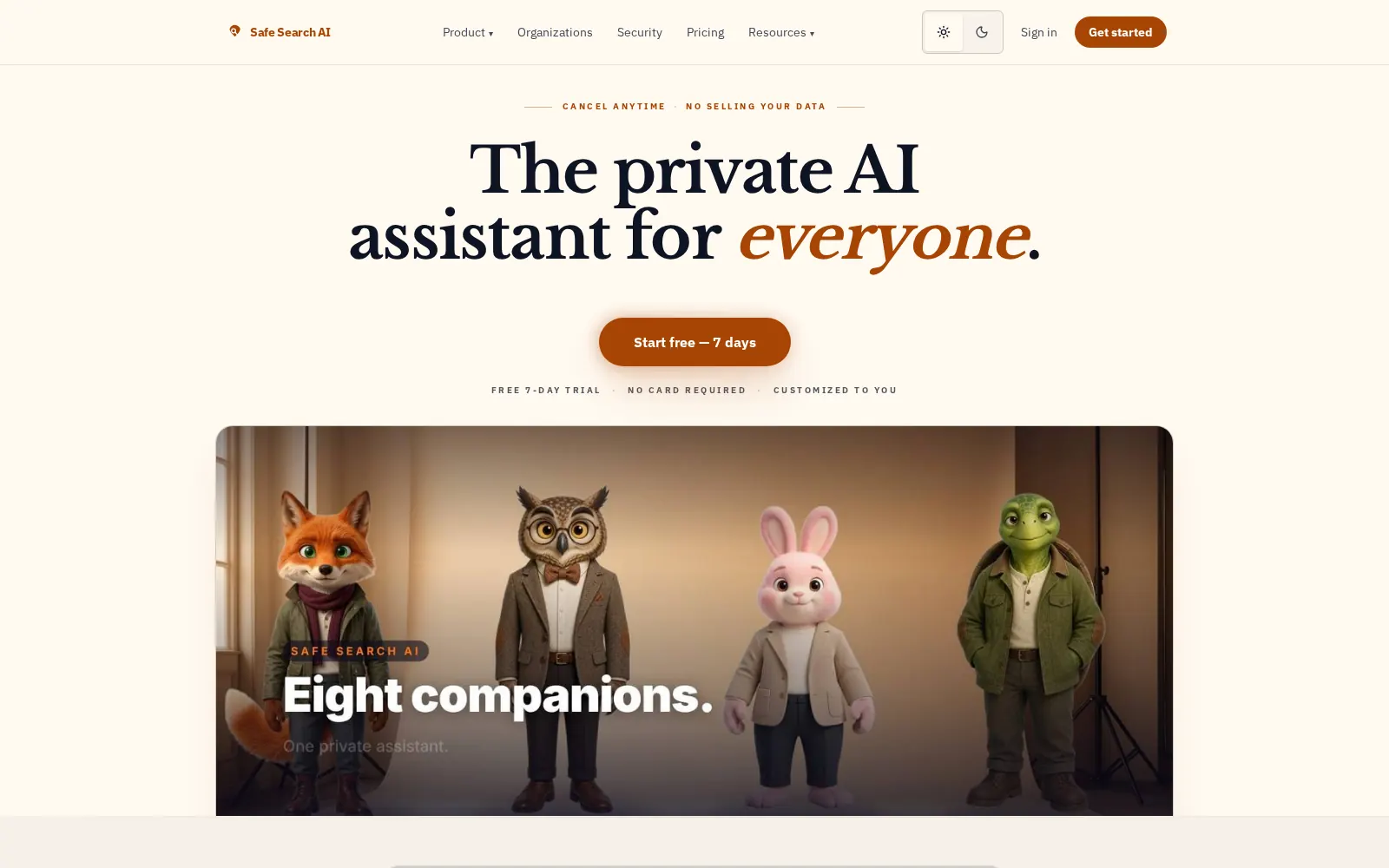
AI platform
AI platform for consumer, family, specialist, and enterprise use
Business operating platform
An integrated operating platform for an advisory practice