What was broken
General-purpose AI tools assume a single competent adult with no oversight requirements. Families, specialists, and organizations need boundaries, review, and accountability that generic assistants don’t provide.
AI platform
AI platform for consumer, family, specialist, and enterprise use
Shown as case studies of my work; not offered as products or services.
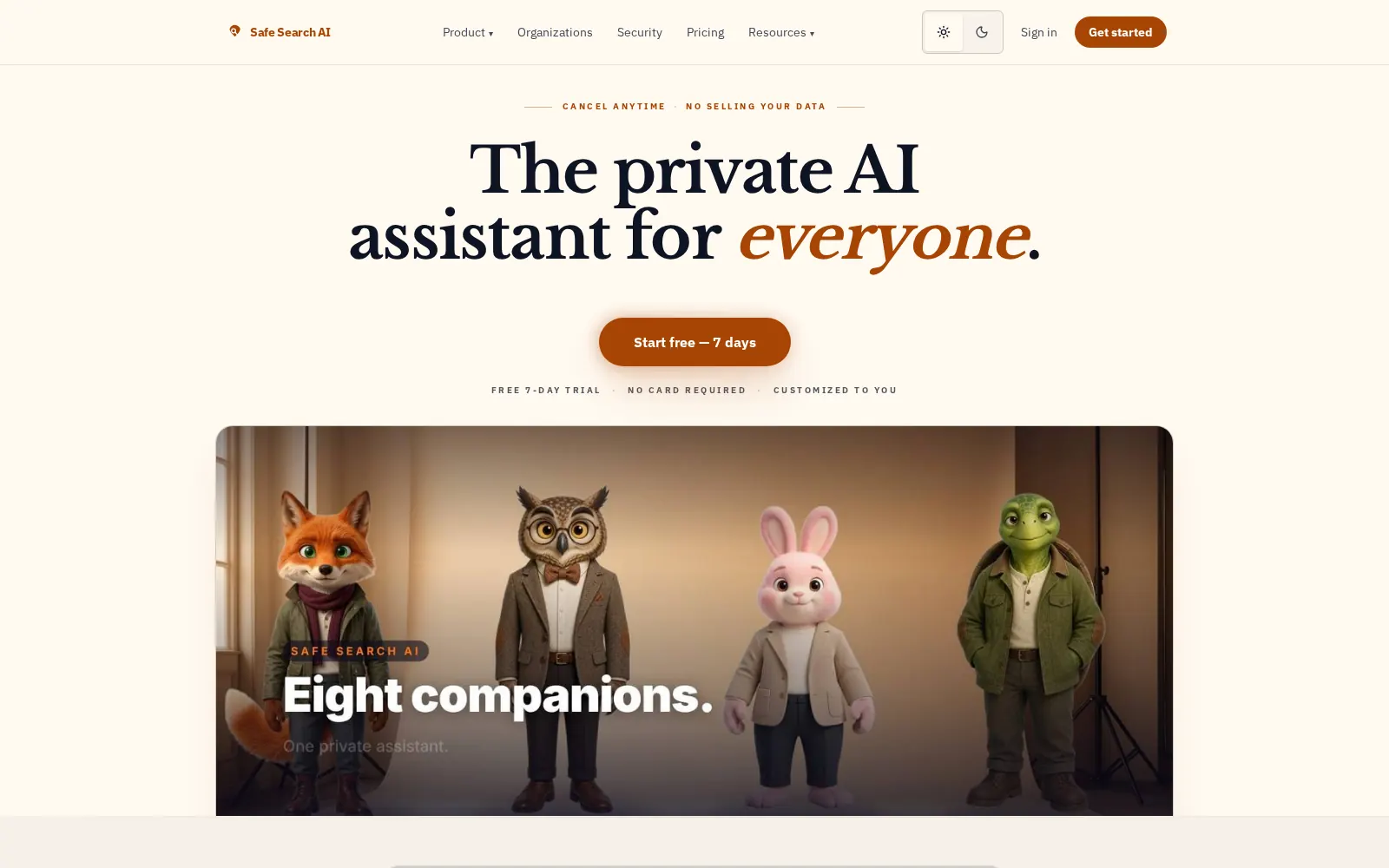
Safe Search AI began as a separate environment for developing a more advanced, configurable AI capability for Deal Pros. Building it independently gave me room to work through grounding, permissions, oversight, and the different ways an organization might need to control an AI experience before bringing those ideas into the brokerage platform.
During that work, I began to see broader applications I hadn’t recognized at the start. The same underlying capability could serve consumers, families, specialists, and organizations if its governance, roles, and knowledge boundaries changed with the user. What began as one part of Deal Pros developed into a standalone platform concept.
I set the direction across these business, operating, market, and product workstreams. AI-assisted development is one part of the work — not the whole of it.
The entity, and the segmentation decision the whole business rests on: consumer, family, specialist, and organizational use are different products built on one capability.
Pricing per segment against usage cost, which in an AI product is the whole game — the model that works for an organization doesn’t work for a family.
Privacy obligations, data-retention and persistence boundaries, oversight and approval requirements, and what an organization can be accountable for when AI is in the loop.
Model and vendor selection, cost control, the support model, and the administrative surface an organization needs to actually run it.
Which segment to lead with, how the offer differs across them, and why an organization would adopt this rather than allow general-purpose tools by default.
Governance and approval design, role and permission model, curated source libraries, product direction, and the AI-assisted development behind it.
General-purpose AI tools assume a single competent adult with no oversight requirements. Families, specialists, and organizations need boundaries, review, and accountability that generic assistants don’t provide.
Segment the audience rather than the model. The same underlying capability becomes a different product when governance, roles, and knowledge boundaries change with the user.
Design for the governance requirement first — who may see what, what requires human approval, what persists, what doesn’t — then design the AI experience for each segment inside those boundaries.
Directing an AI business concept in which governance, privacy, legal requirements, economics, and market positioning shape the product — not only the model or interface.
Governed AI rather than an open chatbot: answers come from approved material, people approve where oversight matters, and each family or organization is kept separate.
Layer 1
What people see and use.
Layer 2
AI is grounded in material the organization controls.
Layer 3
Rules and people, built into the experience.
Layer 4
Separation and support across every environment.
Human review built into the experience where oversight matters, rather than added afterwards.
Curated, organization-controlled knowledge so answers are grounded in approved material.
Family, organization, and workspace isolation enforced structurally.
A reusable AI support layer built into the platform: platform-specific knowledge grounding, AI chat support, escalation to a human, support-ticket handoff, and administrative controls.
AI Support and multi-tenant separation are architectural patterns reused across the platforms rather than rebuilt each time.
The value in applied AI usually comes from the constraints — access, grounding, approval — not from the model itself.
Ownership and operating experience is what makes this a governance product rather than a chat product. The questions that shaped it — who is accountable, what is defensible, what an organization can live with — are ones I’ve had to answer as an owner and as a COO.
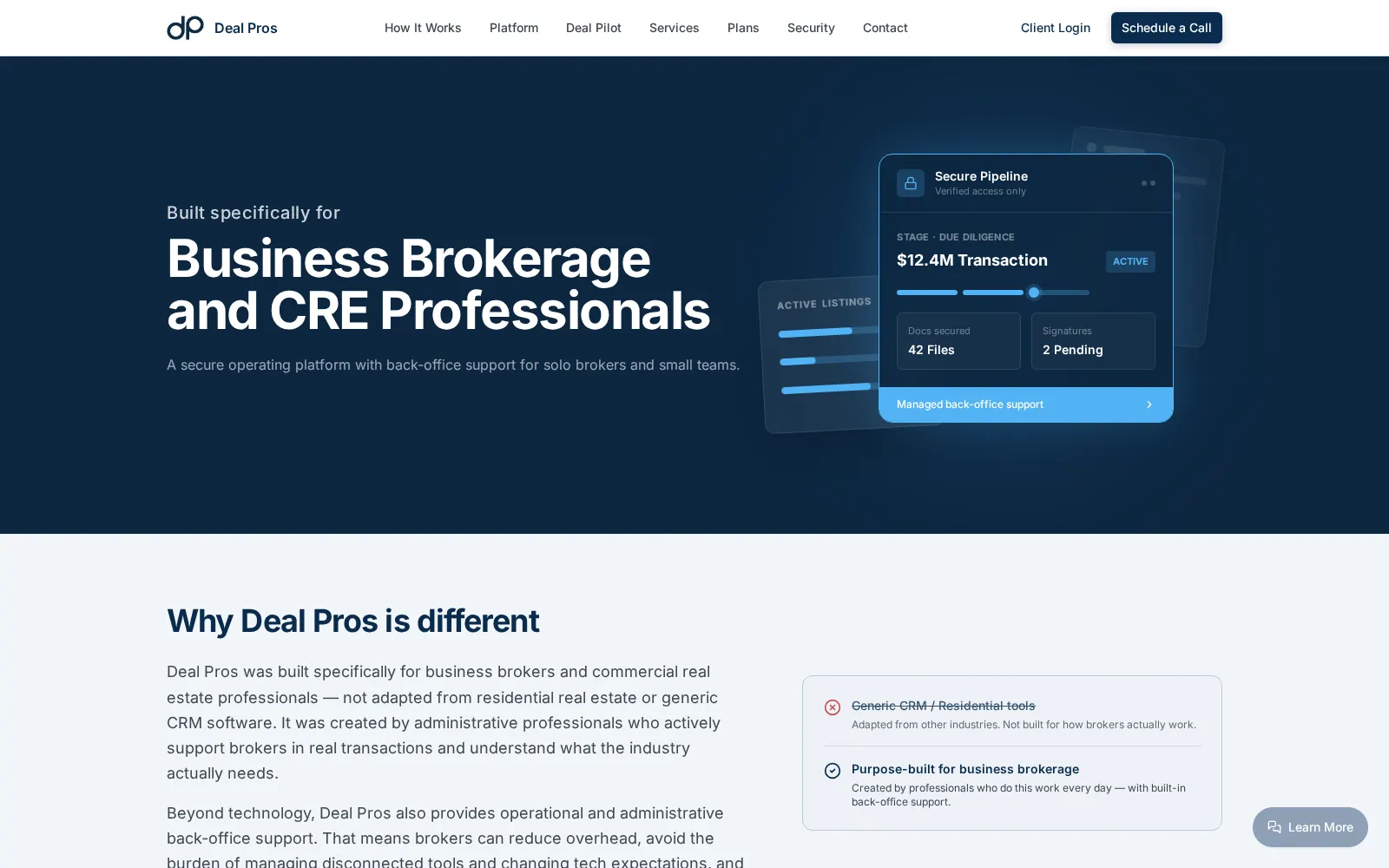
Operating platform
Business brokerage operating platform
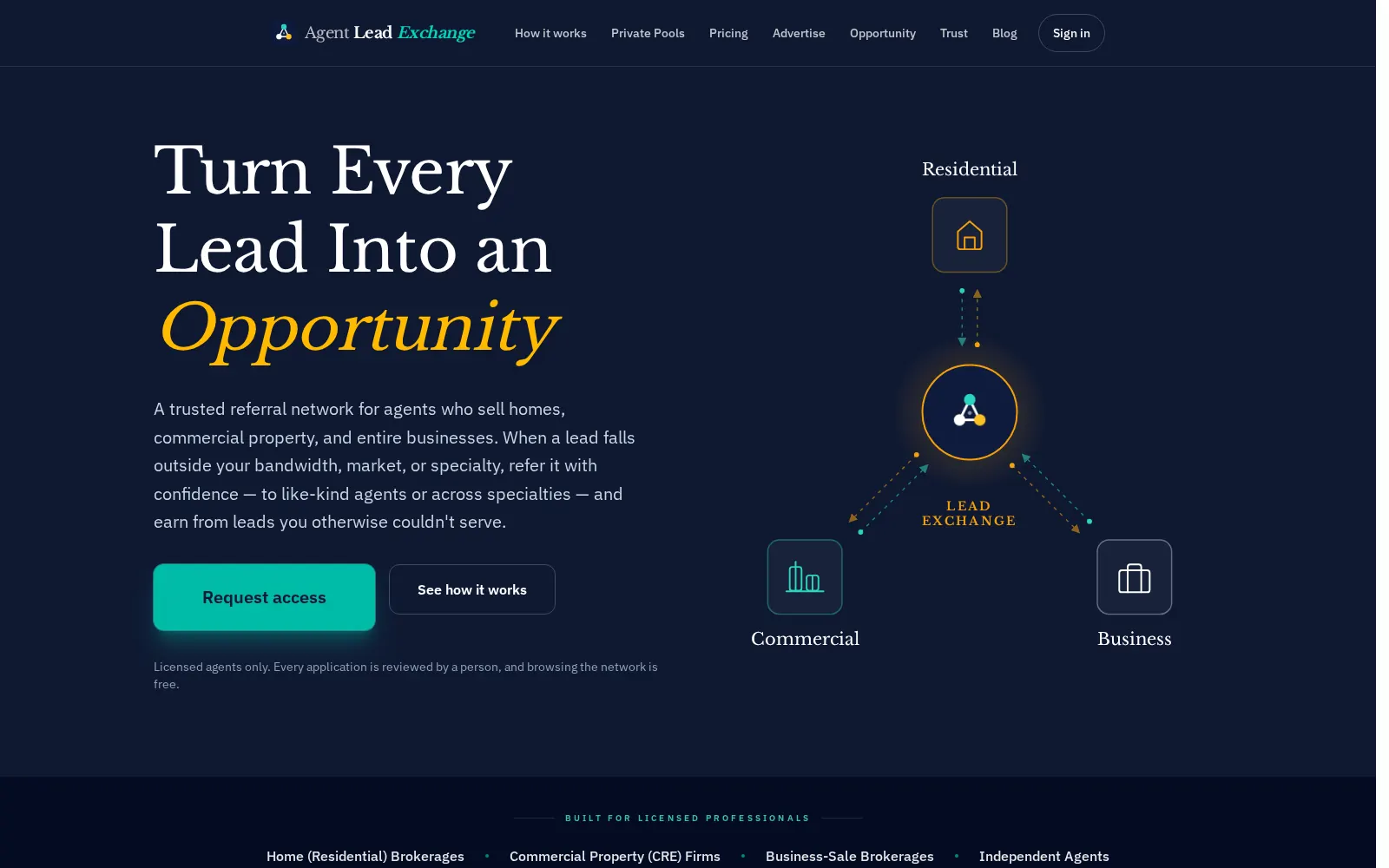
Marketplace
Real-estate referral and lead marketplace
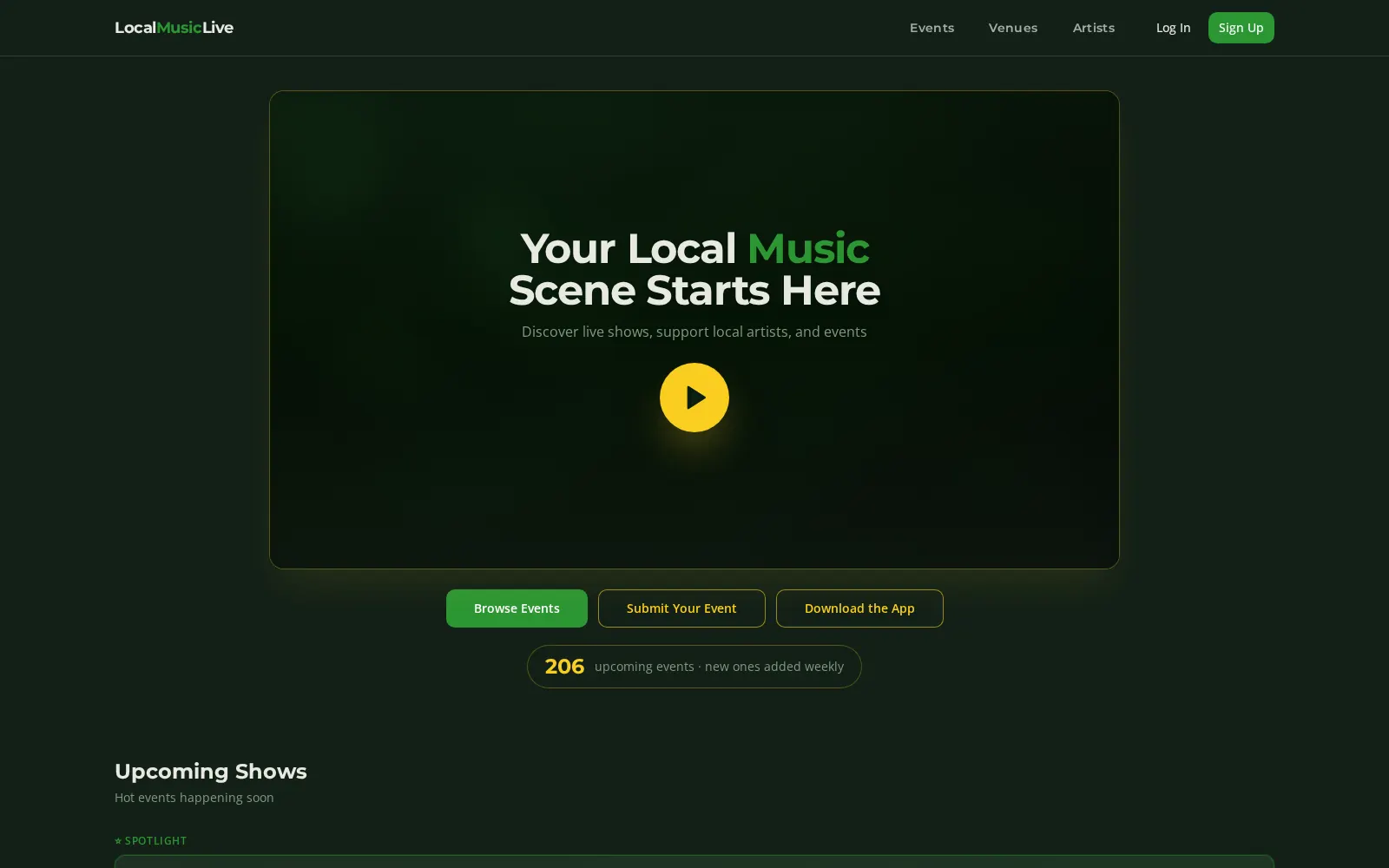
Marketplace
Live-music discovery platform — events, artists, and venues, city by city
Business operating platform
An integrated operating platform for an advisory practice