Business operating platform

MichaelGarsow.com

An integrated operating platform for an advisory practice

My role
Owner — operating model, business design, workflow architecture, content strategy, approval rules, and AI-assisted product development
Current status
Fully live. No traffic, lead or revenue figures are published.

Shown as case studies of my work; not offered as products or services.

Visit the live site
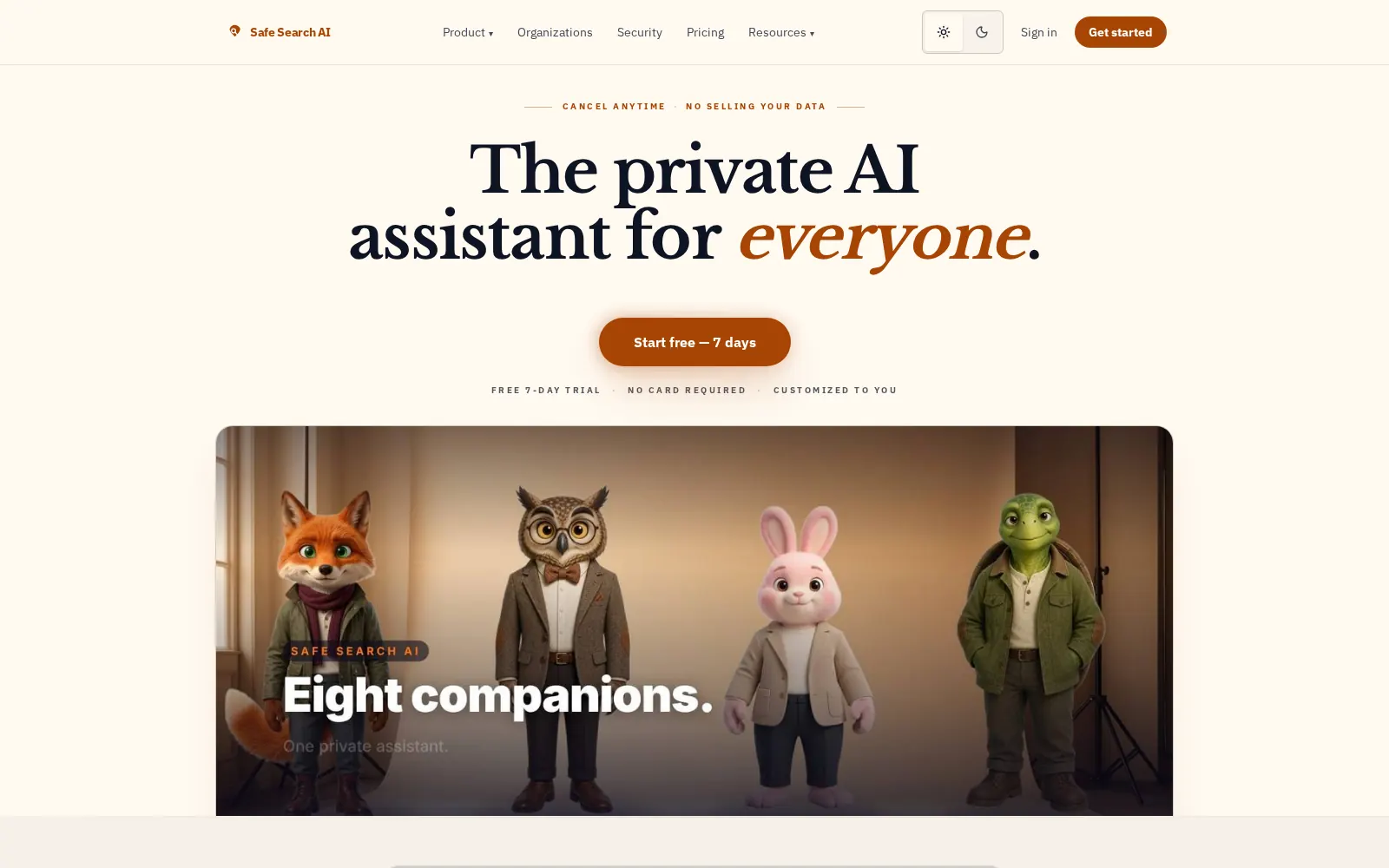
MichaelGarsow.com public homepage

The origin of the platform

I needed more than a website. An advisory practice has to earn attention, help the right people recognize a relevant problem, respond with context, qualify an opportunity, and then run the engagement cleanly from agreement through delivery and payment.

Rather than treat those as separate software purchases, I designed one operating platform around the complete life of the practice. Public content, private administration, and client-facing work share a deliberate sequence, while every decision that reaches a client or the public remains under my control.

The decisions and workstreams I directed

I set the direction across these business, operating, market, and product workstreams. AI-assisted development is one part of the work — not the whole of it.

Market and audience system

Positioning, audience-specific pages, publishing, distribution, attribution, and the path from useful content to a relevant conversation.

Opportunity system

Assessment, inquiries, scheduling, relationship history, stages, next actions, documents, and preparation for the decision in front of me.

Client operating system

Agreements, intake, kickoff, workspaces, milestones, billing gates, reports, and delivery connected to the engagement.

Control and intelligence

Private analytics, page-scoped AI assistance, approval queues, client-data isolation, and explicit control over anything published or sent.

Why the system exists

What was broken

An advisory practice can look simple from the outside while running across disconnected systems for publishing, inquiries, scheduling, CRM, agreements, onboarding, client work, billing, and reporting. Information gets re-entered, context gets lost at each handoff, and the owner becomes the integration layer.
What became possible

Connecting the full operating arc creates continuity: a visitor's context can carry into the first conversation, an accepted engagement can move through controlled next steps, and client work, approvals, billing, and reporting can be managed from the same operating picture. The value is not one feature; it is less coordination and better control across the practice.

How I designed the response

Design the operating model first, then connect the public, administrative, and client-facing workflows around it. Use AI where it can prepare, analyze, or organize work; use rules where the decision is exact; and keep approval and judgment human wherever the result reaches a client.

What was designed

  • Audience strategy, content production, distribution, and tracked response
  • AI opportunity assessment, contextual inquiries, and scheduling
  • Opportunity stages, relationship history, next actions, and documents
  • Agreements, intake, kickoff, client workspaces, and milestone reporting
  • Invoice approvals, payment-gated work, prepaid time, and delivery controls
  • Content, promotion, visitor, and operating analytics
  • Private, page-scoped AI assistance that prepares changes for confirmation

Applying the same transformation discipline I offer clients to my own practice: one connected operating platform spanning audience development, content, inquiries, opportunity management, onboarding, client work, billing, reporting, analytics, and private AI assistance.

  • Operating model design
  • Business development
  • Content operations
  • Audience routing
  • Opportunity and client management
  • Onboarding and delivery
  • Billing operations
  • AI governance
  • Analytics

How the System Works

The operating platform behind the practice: public content, business development, opportunity management, client delivery, billing, reporting, and private AI assistance move through one connected system.

  1. Layer 1

    Content and ideas

    Every piece is checked and approved before it is published.

    • Article and newsletter drafts (Workflow)
    • Drafts checked against approved facts (Automation)
  2. Layer 2

    Publishing and distribution

    One approved piece, several channels.

    • Website articles and weekly newsletter (Output)
    • Email subscriptions with confirmation (Communication)
    • LinkedIn and Google Business posts, each approved before posting (Outside service)
    • Tracked links on every distributed piece (Data)
  3. Layer 3

    Assessment and opportunity capture

    The reason for a visit carries into the next step.

    • Audience-specific pages (Workflow)
    • AI opportunity assessment with a written report (AI)
    • Inquiry forms that keep the page the visitor came from (Workflow)
    • Online scheduling (Outside service)
  4. Layer 4

    Opportunity management

    From first conversation to an accepted scope.

    • Private CRM, stages, and relationship history (Data)
    • Tasks, documents, milestones, and next actions (Workflow)
    • AI-assisted preparation with confirmation (AI)
  5. Layer 5

    Client work and billing

    Accepted work advances through explicit steps and controls.

    • Agreements, intake, and kickoff (Workflow)
    • Private client workspaces and reports (Output)
    • Invoicing, payment gates, and prepaid time (Outside service)
    • Client messages and delivery wait for approval (Human decision)
  6. Layer 6

    Oversight and support

    One private view of performance, exceptions, and next decisions.

    • Visitor, content, client, and billing visibility (Data)
    • Private admin with page-scoped AI assistant (AI)
    • Admin-only access and client-data isolation (Security)
  • Workflow
  • Automation
  • Output
  • Communication
  • Outside service
  • Data
  • AI
  • Human decision
  • Security

Features that are part of the product, not separate products

Approval-first publishing

Nothing is published until it has been checked and approved, and social posts go out only after I approve the exact post, image, destination and time.

Context-aware inquiries

Forms carry the page and topic the visitor came from, so a conversation starts with context.

Opportunity workspace

Stages, interactions, tasks, documents, milestones, and next actions stay attached to the company and opportunity they belong to.

Sequenced client journey

Agreement, intake, kickoff, paid work, reporting, and final delivery advance through explicit gates rather than informal handoffs.

Private admin assistant

A page-scoped AI assistant works only with the relevant private context, proposes changes, and never applies them without confirmation.

Operating visibility

Content, promotion, visitor, client, and billing activity can be reviewed without assembling the picture from separate tools.

What I took from it

Automation is most useful where it removes coordination work; the decisions that reach clients stay with a person.

It is the operating discipline from my COO years applied to a one-person practice: define the process, design the system around it, and keep judgment where it belongs.